
Alternative proteins: the future of food nobody wants
Alt-proteins: nothing new, still irrelevant
Various interest groups are promoting a shift from traditional meat, fish, eggs, and dairy toward plant-based imitations, insects, algae, and products made in bioreactors through fermentation or animal cells. Some claim these technologies will lead to a death spiral, largely replacing animal agriculture before mid-century or even leading to its collapse. Others see a more gradual role in lowering the share of animal protein. In practice, however, none of these approaches has so far demonstrated the ability to scale or win broad consumer acceptance. Moreover, these ideas are not new; they have been promoted for over 100 years but have consistently failed to become mainstream.
The first commercial plant-based mock foods date to the late 19th and early 20th centuries, when John Harvey Kellogg developed items such as Protose and Nuttose in vegetarian and Seventh-Day Adventist circles. The advocacy was formulated in medicalised language, but clearly had the religious and neo-puritan overtones of the Food Reform movement.
In the 20th century, Malthusian anxieties related to population increase and resource depletion added a technocratic dimension. After Winston Churchill had already written about growing animal parts in a lab and producing microbial proteins in 1931, ideas about synthetic meats and factory foods gained policy attention. A prominent example is the 1972 U.S. commission chaired by John D. Rockefeller III, which supported a shift to synthetic foods alongside efforts to stabilise population.
Building on these ideas, the U.S. government funded research on textured vegetable proteins during the 1960s-80s, keeping regulation flexible and using school meal programs as early markets. Official goals centred on cost and nutrition, while industry focused on commercial products. This period then helped establish the foundation for the alt protein market that developed more recently and is heavily supported by public-private partnerships invested in the so-called ‘protein shift'.
Plant-based mock foods
Current 'plant-based' alternatives, designed as substitutes for animal-source foods, often fall short of replicating both the sensory experience and nutritional content of their counterparts. As a result, public acceptance remains low. Being ersatz products, they typically rely on protein isolates, refined oils, and starches, which are unpalatable. Heavy processing and a range of additives are necessary to approximate the desired sensory qualities, yet their nutrient profile remains limited in some priority micronutrients. Simply replacing animal-source foods with these plant-based alternatives may lead to deficiencies in important minerals and vitamins. Furthermore, consuming these alternatives does not necessarily yield cardiometabolic health benefits and may even adversely affect glycemic control due to their higher carbohydrate content and lower protein levels. The risk of a cumulative exposure to mycotoxins has also been mentioned.
From an environmental perspective, the footprint of these products may not be significantly lower than that of animal source foods, particularly when their nutritional value is factored in. Scaling up production of these alternatives could also pose challenges within agroecological food systems. Although marketing often emphasizes health, environmental benefits, and animal welfare, these claims generally amount to false solutions.
Insects and algae
Efforts to introduce insect-based products face major challenges due to consumer resistance and concerns related to food safety and fraud risks. Insects and algae are often promoted as a part of the 'protein transition'. While their consumption is not a recent phenomenon, their incorporation into Western contemporary markets remains very uncommon and culturally unfamiliar.
Bioreactor-cultured foods
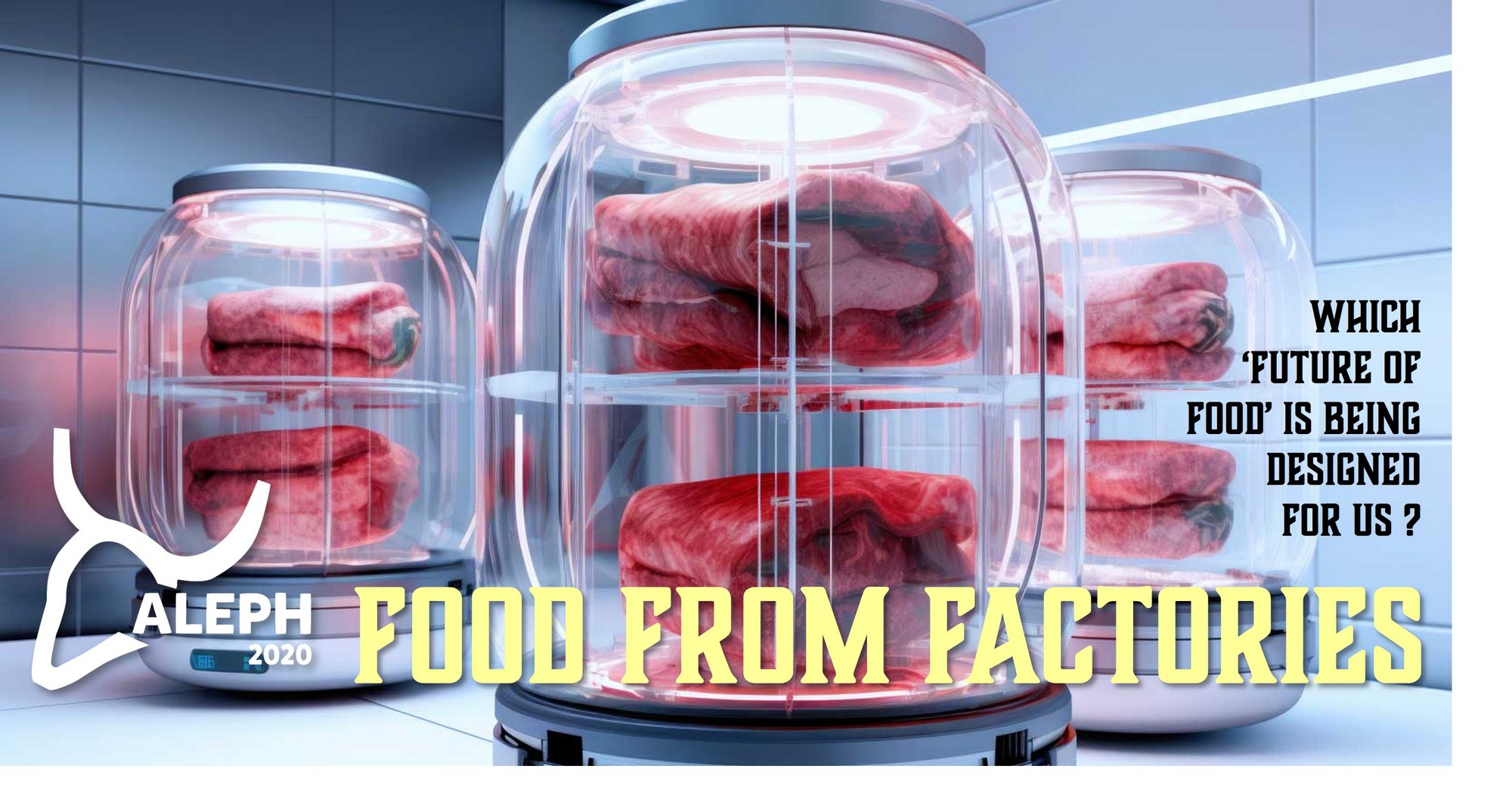
Investors are pouring substantial funds into the development of bioreactor-cultured animal source foods, derived from stem cells. Due to limited open research materials, much remains unknown about the nutritional, sensory, and technological characteristics. Questions persist regarding whether lab-grown products can replicate the complex biochemical composition of their conventional counterparts from living animals. Replicating nutritional and sensory properties, such as flavour and texture, presents a challenge since they result from intricate interactions among various components. Moreover, producing multi-layered meats, like steak or pork chops, is technically very demanding and has led current efforts to focus on heavily processed products like burgers and nuggets, supplemented with texturizing agents, colorants, flavourings, and nutrients to address sensory and nutritional deficiencies. Scaling up cultured meat production is another formidable hurdle. This approach might also bring about further consolidating control over diets in the hands of corporations with advanced technologies. Despite its promotion as a high-tech climate solution, cultured meat does not surpass sustainably sourced meat and could even perform worse. Campaigns to popularize bioreactor foods typically overstate the potential and downplay the many ecological, cultural, and social benefits associated with well-managed traditional animal agriculture. These foods also must face persistent technological bottlenecks and low consumer acceptance.